
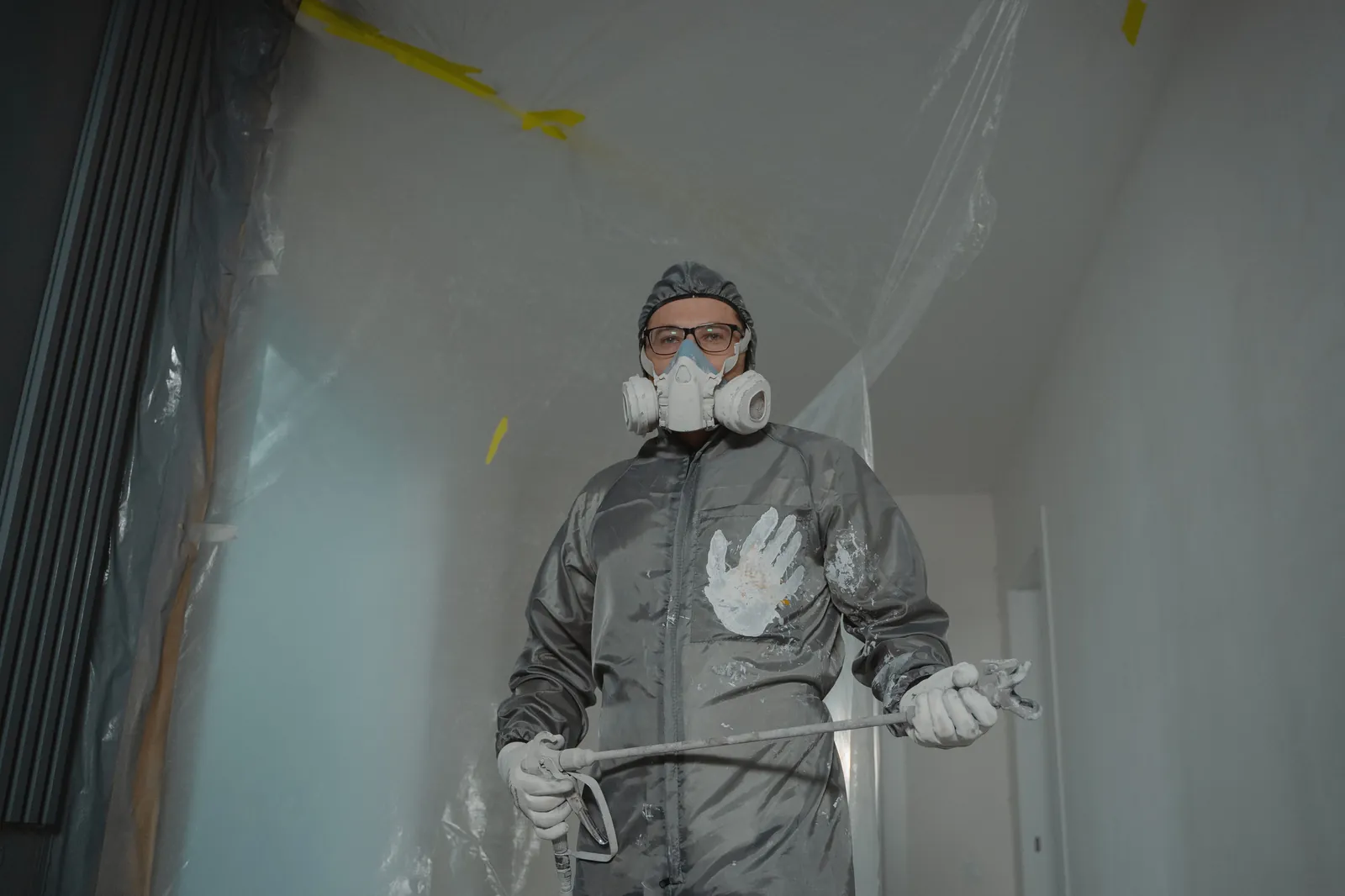
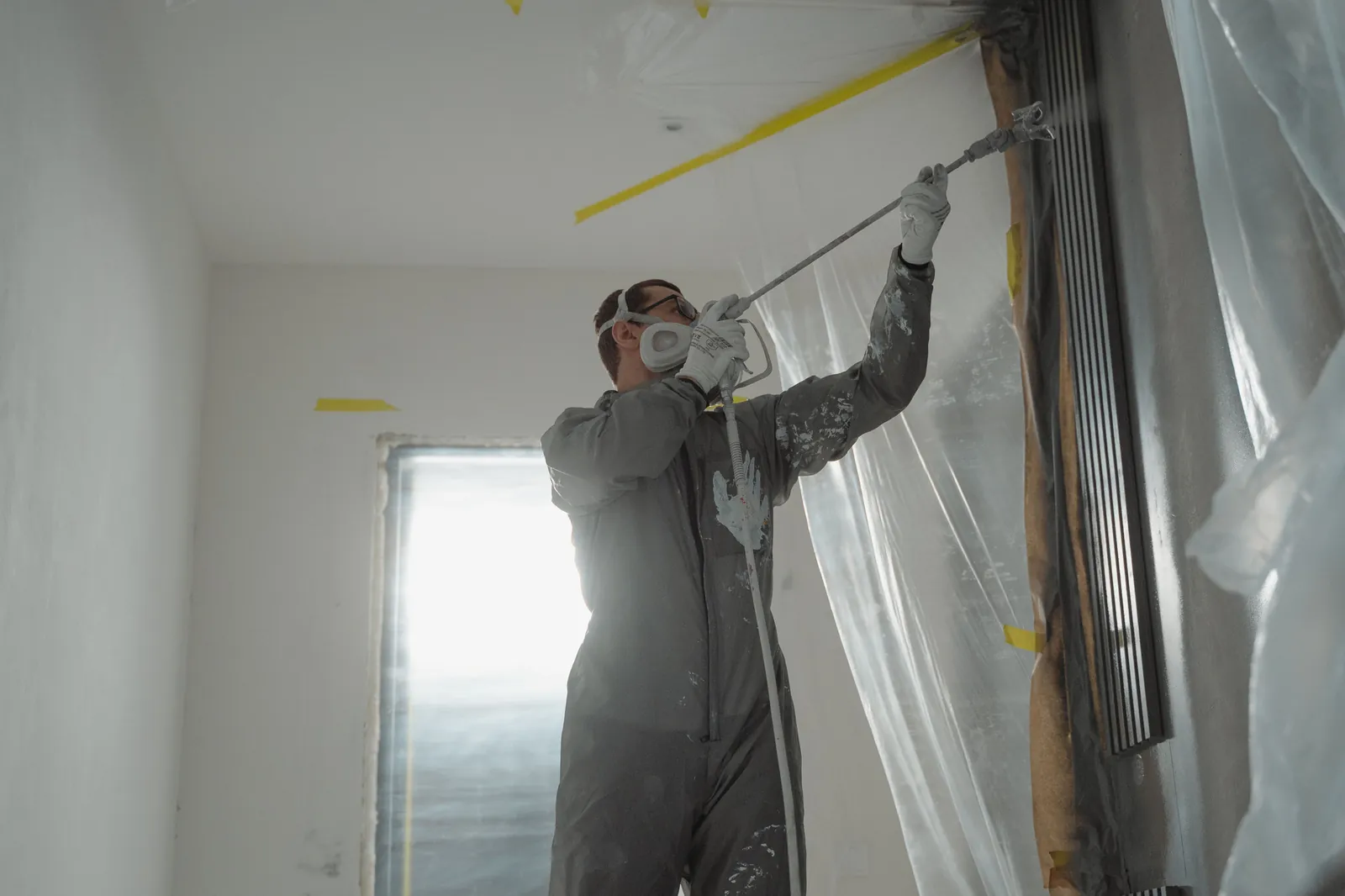
 Cost & planning, 3 min read
What Affects the Cost of Interior Painting in Toronto
Room size is only the start. Here is what really moves an interior painting quote, and how to compare quotes from different painters fairly.
Free on-site estimatesFree estimates
WSIB registered
Fully insured
Written workmanship warrantyWritten warranty
For a business, the real cost of painting is often the disruption, not the paint. A closed shop loses sales, and an office full of fumes loses a week of work. The good news is that most commercial painting in Toronto can be done without closing at all, with the right plan.
Before anyone talks about colours, a good commercial painter asks about your hours, your busiest days and how people move through the space. A restaurant's quiet hours are different from an office's, and a condo lobby never really closes. The answers shape the schedule more than the square footage does.
Splitting the space into zones lets part of it stay open while another part is painted. A retail store might do the back half one week and the front the next. An office might paint one department at a time over a few weekends. Each zone is protected, painted and handed back clean before the next one starts.
Evening, overnight and weekend work keeps your business open during the day. It needs more planning: access, alarm codes, lighting, and who on your team the crew can call. Ask for a written schedule that shows which zones will be painted on which nights.
Landlords, property managers and condo boards usually want proof before a contractor starts. Common requests include:
Lumen Painting is WSIB registered and carries liability insurance, and we provide proof to property managers and landlords who ask before work starts.
Low-odour interior paints make it far easier to paint near people who are still working. High-traffic areas such as hallways, washrooms and stairwells benefit from harder-wearing, washable finishes. Metal doors, frames and railings may need specialty primers. A good quote names the product for each surface.
Hallways, lobbies, stairwells and amenity rooms are painted around residents. That means notices posted in advance, elevator bookings, clearly marked wet-paint areas and safe walkways. Working floor by floor keeps disruption short for each resident.
Commercial painting usually needs more lead time than a home project: budgets need approval, landlords may need to sign off, and after-hours work has to fit the crew's schedule. Calling for a site visit several weeks before you want the work done gives you room to compare quotes, settle colours and send notices to staff or residents.
Many businesses paint to match a brand guide. Bring the colour codes or a physical sample to the site visit, and expect a test patch on your walls before the main job, because colours look different under shop lighting and daylight. Feature walls behind a reception desk or a logo often get a different finish from the rest of the space.
Painting around staff, customers or residents means keeping exits clear, marking wet paint, storing materials safely and making sure ladders are never left unattended in a walkway. Ask how the crew will keep the site safe each day and how the work area will be left at closing time.
Planning a refresh for your office, shop or building? See our commercial painting service, or book a free site visit and we will plan a schedule that keeps you open.
Yes, with phased work and low-odour products. Many offices also choose evenings or weekends for the busiest areas.
It is a document from Ontario's Workplace Safety and Insurance Board confirming that a contractor is registered and in good standing. Property managers often ask for it before work starts.
It depends on the size, the prep and how the work is phased. A written schedule from your painter should show what happens on which days or nights.
Usually not. Dining rooms can be painted after closing time or on days the restaurant is closed, one zone at a time.
Cost & planning, 3 min readRoom size is only the start. Here is what really moves an interior painting quote, and how to compare quotes from different painters fairly.
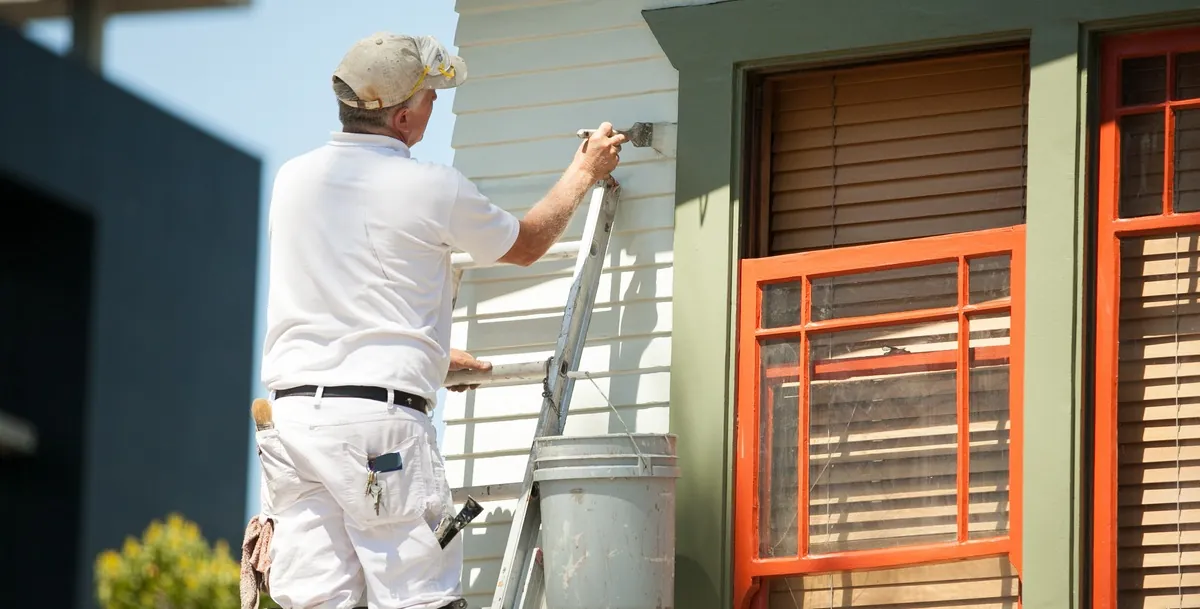 Exterior, 3 min read
Temperature, humidity and overnight lows decide when exterior paint cures properly. Here is how to plan an exterior job around Toronto weather.
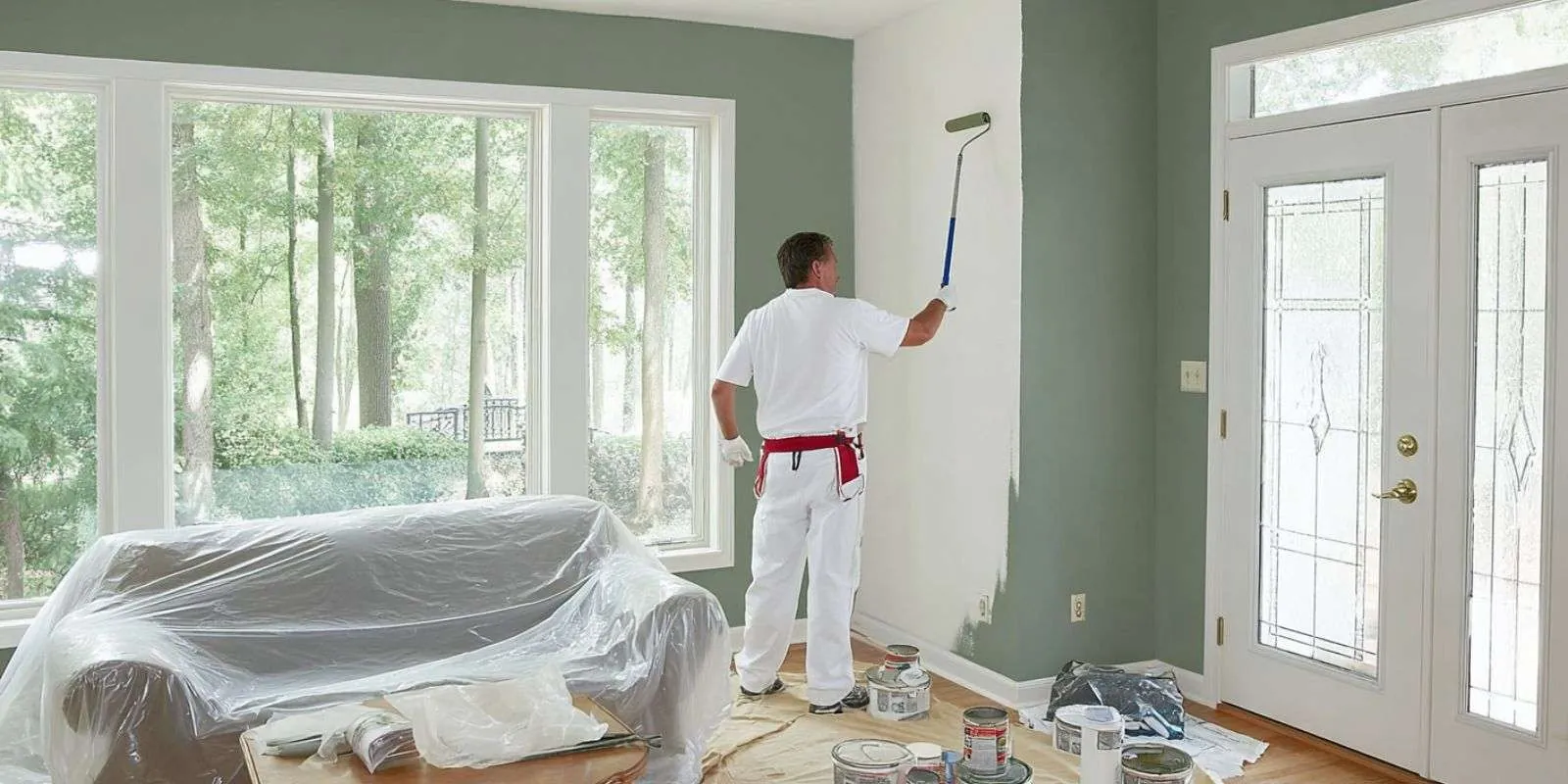 Cost & planning, 3 min read
What to move, what the crew handles, and the small things that make a painting job go faster: pets, parking, condo bookings and daily routines.

Tell us about the job and we will visit, measure and send you a written quote. No charge, no obligation.

Automated assistant. For an exact price we visit and quote for free.